
| HOME | RESEARCH | NEWS/EVENTS | LIBRARY | LINKS | PUBLICATIONS | CONTACT |

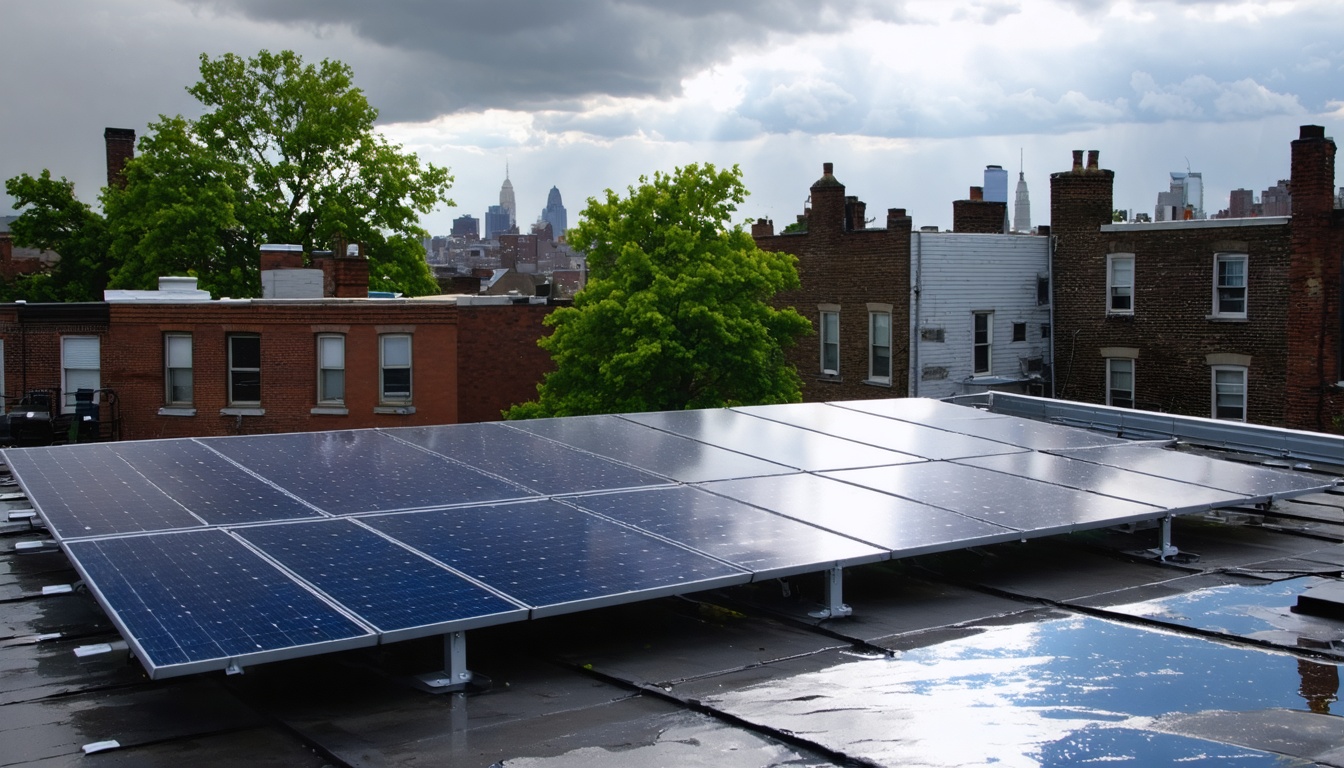
How Local Weather Shapes Solar Energy Decisions in Woodside, New York
In Woodside, New York, local weather plays a critical role in the performance of solar energy systems throughout the year. It is essential to analyze factors such as sunlight availability, seasonal variations, and daily weather changes to understand their impact on solar energy generation. For instance, Woodside experiences a range of weather conditions, including cloudy days and varying temperatures, which can affect the efficiency of solar panels. During the winter months, shorter days and increased cloud cover may result in lower energy production compared to summer when days are longer and generally sunnier. Before deciding on a solar energy installation, it is advisable for potential users to consider the region’s average solar irradiance and typical weather patterns. Access to local meteorological data can help inform decisions regarding the size and type of solar systems that may be most effective. Moreover, understanding the local climate can also impact financial considerations, including potential government incentives for solar installation and the overall return on investment. Evaluating how the unique climatic elements of Woodside can influence energy generation and cost savings is a necessary step for anyone looking to invest in solar technology.
Regional Climate Patterns and Solar Panel Performance
Woodside’s regional climate plays a key role in determining the effectiveness and energy output of solar panels. In New York City, solar energy production benefits from an average of approximately 2,557 hours of sunshine per year, which is conducive to solar energy generation and supports local distributed energy initiatives.
While seasonal temperature fluctuations can enhance the efficiency of solar panels during the cooler months, winter snowfall may impede performance until the snow is cleared from the panels.
The variability in sunlight across different days and seasons highlights the necessity for energy storage solutions, such as Home Battery Backup Systems, and net metering systems, which help to stabilize electricity costs throughout the year.
Additionally, numerous city and state incentives, along with initiatives from the Solar Energy Industries Association (SEIA) and ongoing policy developments, are significant for supporting the transition to a cleaner energy grid.
These efforts also aim to address environmental justice and equity issues related to the adoption of renewable energy technologies.
Impacts of Cloud Cover and Precipitation on Solar Energy Output
Cloud cover plays a significant role in solar energy output in Woodside, New York. Solar panels are capable of generating electricity even on partly cloudy days, but extensive cloud coverage can reduce their efficiency by approximately 10-25%.
Precipitation also has a considerable impact; energy output can drop by as much as 60% during periods of heavy rain. Nonetheless, after rainfall, the resultant cleaner surfaces on solar panels can lead to enhanced performance when sunlight returns.
In New York City, the average cloud cover is around 60-70%, which suggests that solar energy production might frequently be affected by these atmospheric conditions.
To mitigate the risks associated with variable solar output, it may be beneficial to implement energy storage solutions, such as distributed generation systems and net metering.
For those seeking to make informed decisions about solar energy investment, staying informed about updates from the Solar Energy Industries Association (SEIA), local government programs, and state policy is advisable. Accessing this information can provide clarity on market incentives and regulatory factors that impact the effectiveness and viability of solar energy systems.
Seasonal Variations in Sunlight and System Efficiency
The efficiency of solar systems in Woodside, New York, is notably affected by seasonal variations in sunlight availability. During the summer months, the region benefits from extended daylight hours, often exceeding 14 hours. This increases the potential for solar energy generation.
Conversely, in the winter months, the number of daylight hours typically falls below 10, resulting in a decline in energy output from solar systems.
The transitional seasons of fall and spring generally feature increased cloud cover and rainfall, which can further reduce the efficiency of solar energy systems. When clouds and precipitation are present, the amount of direct sunlight that reaches solar panels diminishes, adversely impacting energy production.
Snow accumulation during the winter has a complex effect on solar system performance. Heavy snowfall can obstruct solar panels, leading to reduced energy generation. However, as snow begins to melt, its reflective properties can enhance solar irradiance on the panels, potentially improving energy output under certain conditions.
To enhance the efficiency of solar systems throughout the year, it is recommended to take into account local climate data and utilize available government incentives. Organizations such as the Solar Energy Industries Association (SEIA) provide resources and guidance for implementing both rooftop and community solar solutions in the area.
Data-Driven Assessment for Solar Installations
When evaluating the feasibility of solar energy in Woodside, it is important to gather accurate, site-specific data. Incorporating weather data from New York City, along with information from organizations such as the Solar Energy Industries Association (SEIA) and EnergySage, offers insights into the region's solar energy potential.
Additionally, resources from Benchmark Mineral Intelligence and local project listings contribute to a comprehensive assessment that considers local climate conditions and seasonal fluctuations. It is also essential to review available incentives, including state and federal tax credits and net metering programs, as these can significantly impact the overall cost and financial viability of solar installations.
A thorough analysis of current policies and legislative frameworks in New York State is necessary, as these can influence project execution and funding opportunities. Evaluating energy storage needs is critical to ensure that the solar system can adequately supply energy during non-generating hours.
Moreover, understanding the implications of property taxes is important, as they can differ based on local regulations and the presence of solar equipment. For informed decision-making, it is advisable to obtain factual resources such as factsheets and to monitor press releases for updates on relevant developments in clean energy initiatives.
This approach ensures that stakeholders are aware of current trends and policies affecting solar energy implementation.
Adaptation Strategies for Local Weather Conditions
To adapt solar energy systems effectively to the local climate in Woodside, it is necessary to implement strategies that consider the seasonal variations in weather. Adjusting the angle and selecting appropriate materials for solar panels are important for optimizing energy capture in New York’s diverse climate. Adjustable mounting systems may be beneficial, allowing for greater efficiency throughout the year.
Energy storage solutions are important for managing periods of reduced solar generation due to cloud cover. The installation of effective energy storage systems is crucial for supporting New York City's goals towards a sustainable energy grid.
During the winter months, snow accumulation on solar panels can hinder efficiency. Incorporating snow-clearing technologies may enhance the performance of solar installations during this period. Additionally, applying moisture-reducing coatings can help address humidity issues and improve operational efficiency year-round.
Consultation with resources such as the Solar Energy Industries Association (SEIA) and existing industry data can aid in identifying best practices for solar energy adaptation. Moreover, all adaptations must adhere to state and city regulations, consumer protection standards, and environmental justice criteria to ensure equitable access to clean energy resources.
Solar Investment and Incentive Opportunities in Woodside
New York has invested significantly in solar energy, leading to several opportunities for homeowners and businesses in Woodside. Individuals interested in solar energy can explore a variety of incentives and funding options available through the New York State Energy Research and Development Authority (NYSERDA) as well as other state initiatives.
The Database of State Incentives for Renewables and Efficiency (DSIRE) serves as a useful resource for locating detailed information on specific programs, property tax incentives, and net metering options relevant to this area.
Moreover, recent legislative measures within New York City aim to support distributed generation, which may help in reducing electricity costs and contributing to the state's clean energy objectives.
To remain informed about market trends, industry data, and current programs, interested parties are encouraged to consult reliable factsheets and updates regarding rooftop and community solar options. Engaging with these resources can facilitate a comprehensive understanding of the present solar investment landscape in Woodside.
Integration of Energy Storage to Mitigate Weather Variability
The integration of energy storage systems with solar energy installations in Woodside addresses the challenges associated with local weather variability. By capturing and storing excess energy generated during optimal solar conditions, both homeowners and businesses can reduce the impact of abrupt reductions in solar output caused by transient weather patterns, such as cloud cover or rain.
New York State aims to achieve a target of 6 gigawatts (GW) of energy storage capacity by 2030. This initiative is a component of the state's larger clean energy objectives, which also focus on increasing energy equity, particularly for communities that have historically encountered barriers to access renewable energy resources.
State market incentives, together with guidelines from the Solar Energy Industries Association (SEIA) on distributed generation, highlight the role of energy storage in bolstering grid resilience.
Energy storage technology enhances the reliability of the energy supply and is essential for New York's progression towards a cleaner and more consistent energy grid. These systems allow for the effective integration of renewable energy sources by ensuring that energy consumption aligns with generation, countering the inherent variability of solar energy production.
Policy Support for Weather-Responsive Solar Deployment
Policy support plays a crucial role in the development of weather-responsive solar energy systems in Woodside, as both local and state authorities recognize the need to mitigate the impacts of variable weather conditions on solar energy production. Key legislative measures in New York, including the Climate Leadership and Community Protection Act and the Accelerate Solar for Affordable Power (ASAP) Act, underscore the necessity for the deployment of solar technologies that can respond to environmental fluctuations.
The New York State Energy Research and Development Authority (NYSERDA) provides a range of funding opportunities, net metering options, and market incentives aimed at promoting distributed generation. These initiatives are intended to facilitate advancements in grid modernization, especially within New York City, and support a broader energy storage target of 6 gigawatts.
Furthermore, these programs are designed with objectives of enhancing equity, addressing environmental justice issues, and ensuring overall grid reliability.
For stakeholders and individuals seeking to remain informed about developments in solar energy policy, resources such as Fact Sheets, legislative updates, and information from platforms like EnergySage offer essential insights into the evolving landscape and its influence on solar energy deployment.
Conclusion
When considering solar energy in Woodside, it is important to evaluate how local weather conditions can affect the performance and reliability of solar systems. Factors such as sunlight availability, temperature fluctuations, and seasonal weather patterns significantly influence energy production from solar panels. Understanding regional climate trends facilitates better planning and decision-making. For instance, assessing average sunlight hours and seasons with high cloud cover can help determine the optimal placement and sizing of solar installations. Additionally, being aware of local incentives and community support initiatives can enhance the financial viability of solar projects. Adapting to both seasonal and daily variations in weather is crucial for maintaining system efficiency. Regular maintenance and monitoring can help address any weather-related issues that may arise, ensuring the system operates effectively over time. In conclusion, informed decision-making based on factual weather data can contribute to maximizing the economic benefits of solar investments in Woodside while aligning with broader sustainability goals.